


Tucked away in the shadow of the majestic Manaslu massif lies the Tsum Valley, one of the most remote and culturally preserved sanctuaries in the Himalayas. Known historically as Beyul Kyimolung—the “Valley of Happiness”—this restricted area in northern Nepal offers an extraordinary escape from crowded trekking routes.
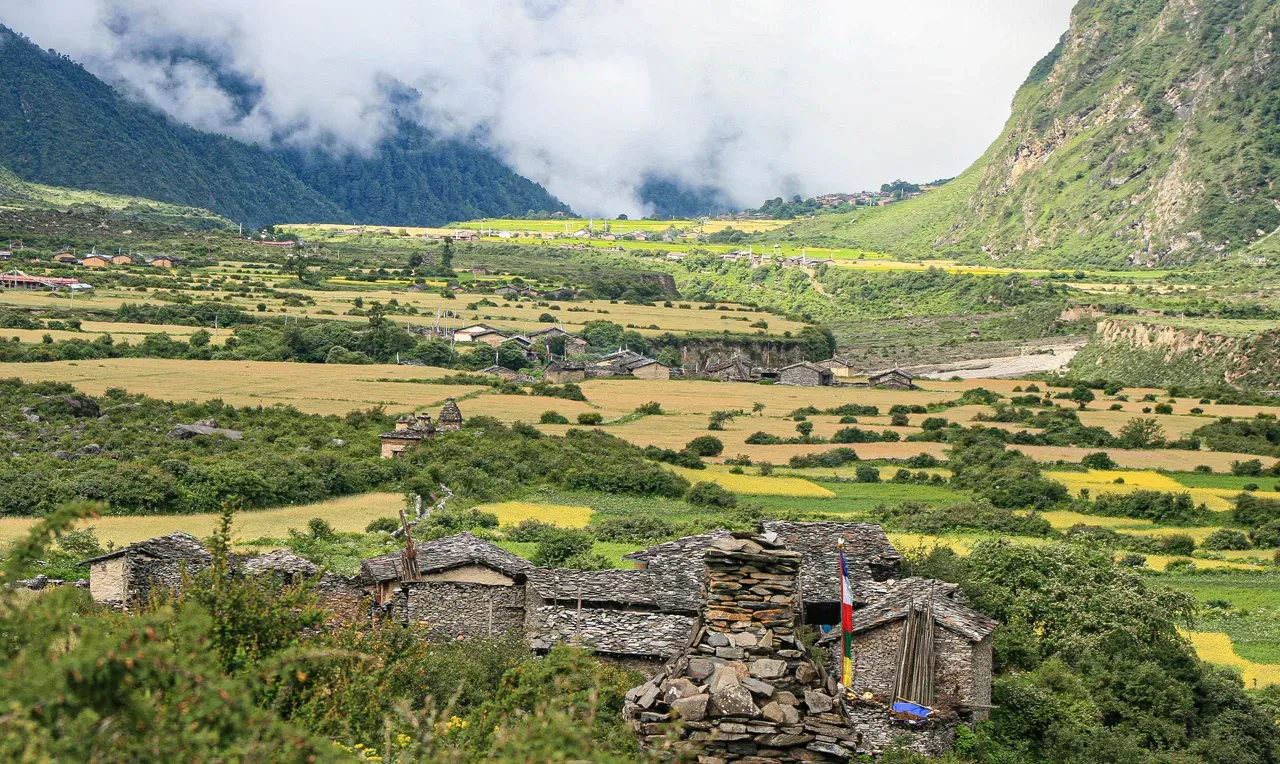
For adventurers seeking a deeply authentic journey, the Tsum Valley Trek delivers a rare combination of rugged high-altitude landscapes, centuries-old Tibetan Buddhist heritage, and rich local traditions.
What Makes the Tsum Valley Unique?
Unlike heavily commercialized routes, Tsum Valley remained closed to foreign trekkers until 2008. This prolonged isolation helped preserve a unique culture distinct from the rest of Nepal. The inhabitants, known as Tsumbas, are of direct Tibetan descent and speak a unique dialect.
Here are a few factors that set this trek apart:
-
Sacred Buddhist Geography: Renowned ancient masters, including Milarepa, are believed to have meditated in the caves scattered across the valley.
-
Non-Violent Sanctuary (Ahimsa): By ancient decree, no animals are slaughtered within the valley, making it a peaceful sanctuary for wildlife like the Himalayan Blue Sheep and Musk Deer.
-
Ancient Monasteries & Nunneries: Home to historic gompas, including Mu Gompa and Rachen Gompa, which sit dramatically against stark mountain backdrops.
-
Authentic Teahouse Hospitality: Accommodations are traditional and family-run, offering a genuine look into daily mountain life.
Trek Overview & Key Statistics
-
Location: Gorkha District, Northern Nepal (Manaslu Region)
-
Duration: 12 to 15 Days
-
Maximum Elevation: 3,700m / 12,139 ft (Mu Gompa)
-
Trek Difficulty: Moderate to Strenuous
-
Best Seasons: Spring (March–May) and Autumn (September–November)
-
Permits Required: Tsum Valley Restricted Area Permit (RAP), Manaslu Conservation Area Permit (MCAP), and Annapurna Conservation Area Permit (ACAP)
Detailed Itinerary: 14-Day Tsum Valley Trek
While itineraries can be customized, a standard 14-day timeline ensures safe acclimatization and sufficient time to explore sacred monasteries.
Day 01: Drive from Kathmandu to Machha Khola (869m) | 8-9 hours
Day 02: Trek Machha Khola to Jagat (1,340m) | 6 hours
Day 03: Trek Jagat to Lokpa (2,240m) | 6 hours
Day 04: Trek Lokpa to Chumling (2,386m) | 5 hours
Day 05: Trek Chumling to Chokhangparo (3,010m) | 5-6 hours
Day 06: Trek Chokhangparo to Nile (3,361m) via Milarepa’s Cave | 5 hours
Day 07: Day Hike to Mu Gompa (3,700m) and return to Nile | 6 hours
Day 08: Trek Nile to Rachen Gompa & Chokhangparo | 5 hours
Day 09: Trek Chokhangparo to Gho (2,485m) | 5-6 hours
Day 10: Trek Gho to Lokpa (2,240m) | 6 hours
Day 11: Trek Lokpa to Jagat (1,340m) | 6 hours
Day 12: Trek Jagat to Machha Khola (869m) | 5 hours
Day 13: Drive Machha Khola to Kathmandu | 8-9 hours
Day 14: Final Departure
Key Cultural Highlights Along the Route
1. Milarepa’s Cave (Piren Phu)
Located near the village of Burji, Piren Phu (Pigeon Cave) is one of the most sacred places in Tsum. The revered 11th-century Tibetan saint and poet Milarepa is said to have meditated here. The cave houses detailed murals, ancient Buddhist scripts, and a footprint embedded in the rock believed to belong to Milarepa himself.
2. Mu Gompa (3,700m)
As the highest permanent settlement in the Tsum Valley, Mu Gompa represents the spiritual high point of the trek. Perched on a high ridge near the Tibetan border, this monastery offers panoramic views of the surrounding peaks and houses a valuable collection of ancient religious texts and statues.
3. Rachen Gompa
Situated in the Shiar Khola valley, Rachen Gompa is a prominent nunnery established in 1905. It houses nuns belonging to the Ngak-pa sect and features complex wall paintings depicting the life of the Buddha and detailed mandalas.
4. Mani Walls and Kani Gates
Throughout the trek, you will pass exceptionally long Mani walls—stone structures carved with the Buddhist mantra “Om Mani Padme Hum.” Always pass these walls on your right (clockwise) as a sign of respect. Entering villages through traditional painted entry arches (Kanis) adds to the feeling of stepping back in time.
Scenery & Wildlife
The physical environment transitions rapidly as you trek upward:
-
Lower Valleys: Dense pine, rhododendron, and oak forests flank narrow river gorges sculpted by the Budhi Gandaki and Shiar Khola rivers.
-
Upper Valleys: The landscape opens up into wide glacial valleys framed by the towering Ganesh Himal range (Ganesh I, II, III, and IV), Sringi Himal, and Boudha Himal.
-
Flora & Fauna: Due to the local Buddhist policy of non-violence (Ahimsa), wildlife thrives. Trekkers frequently spot Himalayan Thar, Blue Sheep, musk deer, and various species of pheasants along the trail.
Permits and Regulations
Because Tsum Valley borders Tibet and holds protected status, individual solo trekking is prohibited. You must travel with a registered guide through a licensed Nepalese trekking agency.
Required Permits:
-
Restricted Area Permit (RAP) for Tsum Valley:
-
Autumn (Sept–Nov): USD $40 per week per person (plus USD $7/day for extra days)
-
Spring/Winter/Summer (Dec–Aug): USD $30 per week per person (plus USD $7/day for extra days)
-
-
Manaslu Conservation Area Permit (MCAP): NPR 3,000 per person
-
Annapurna Conservation Area Permit (ACAP): NPR 3,000 per person (Required if combining with the Manaslu Circuit)
Note: A minimum of two trekkers accompanied by a licensed guide is required to issue the Restricted Area Permit.
Best Time to Trek Tsum Valley
Autumn (September to November) – Peak Season
-
Weather: Clear skies, stable temperatures, minimal rainfall.
-
Highlights: Unobstructed mountain views and lively local post-harvest festivals.
Spring (March to May) – Second Best Season
-
Weather: Warmer temperatures and longer daylight hours.
-
Highlights: Rhododendron forests in full bloom across the lower trails.
Winter (December to February) & Monsoon (June to August)
-
Winter: High altitudes experience heavy snowfall and sub-zero temperatures; many teahouses close.
-
Monsoon: Heavy rainfall creates leech infestation, mudslides, and obscured views.
Accommodation, Food, and Logistics
Teahouse Infrastructure
Facilities in Tsum Valley are rustic compared to popular regions like Everest or Annapurna. Teahouses provide simple rooms, typically with two twin beds, foam mattresses, and shared bathroom facilities. Squat toilets are standard. Hot showers are usually available for a small extra fee (heated via gas or solar power).
Food & Water
Meals are simple, fresh, and energy-dense:
-
Dal Bhat: The staple dish consisting of rice, lentil soup, seasonal vegetable curry, and pickles. It offers unlimited refills and reliable energy.
-
Local Dishes: Try Tibetan bread, tsampa porridge, vegetable noodles, momos (dumplings), and local butter tea (Suja).
-
Drinking Water: Bring reusable water bottles or a hydration bladder along with purification tablets or a high-grade water filter to avoid purchasing single-use plastic bottles.
Packing Essentials
To stay comfortable across changing elevations, use a layered clothing system:
-
Base Layer: Synthetic or Merino wool thermal tops and bottoms.
-
Insulation Layer: Fleece jackets or light down sweaters.
-
Outer Layer: Windproof and waterproof hard-shell jacket and pants.
-
Footwear: Broken-in high-cut trekking boots with good ankle support, plus lightweight camp shoes.
-
Gears: Sleeping bag (rated to -10°C / 14°F or lower), trekking poles, headlamp with extra batteries, power banks, and a personal first-aid kit containing altitude sickness medication (Diamox).
Preparing for the Trek: Physical Fitness & Altitude
Tsum Valley involves continuous uphill and downhill walking over rocky terrain for 5–7 hours a day.
-
Fitness: Focus on cardio conditioning (running, cycling, stair climbing) and leg strength training (squats, lunges) at least 6–8 weeks before departure.
-
Altitude Safety: Ascend gradually, stay hydrated (drink 3–4 liters of water daily), and never ignore signs of Acute Mountain Sickness (AMS), such as persistent headaches, nausea, or dizziness.
Combining Tsum Valley with the Manaslu Circuit
For trekkers with extra time, combining the Tsum Valley Trek with the Manaslu Circuit creates a comprehensive 18- to 21-day adventure. After exploring Tsum, you rejoin the main trail at Lokpa/Nyak and continue around Mount Manaslu, crossing the dramatic Larke La Pass (5,106m) before descending into the Annapurna region.
Final Thoughts
The Tsum Valley Trek is more than a mountain hike; it is a pilgrimage into a world where time seems to stand still. Walking along ancient stone paths, listening to monks chant in high-altitude gompas, and looking up at pristine Himalayan peaks offers a depth of experience that few modern trekking routes can match. For travelers looking to step off the beaten track and immerse themselves in living Tibetan culture, the sacred valley of Tsum awaits.